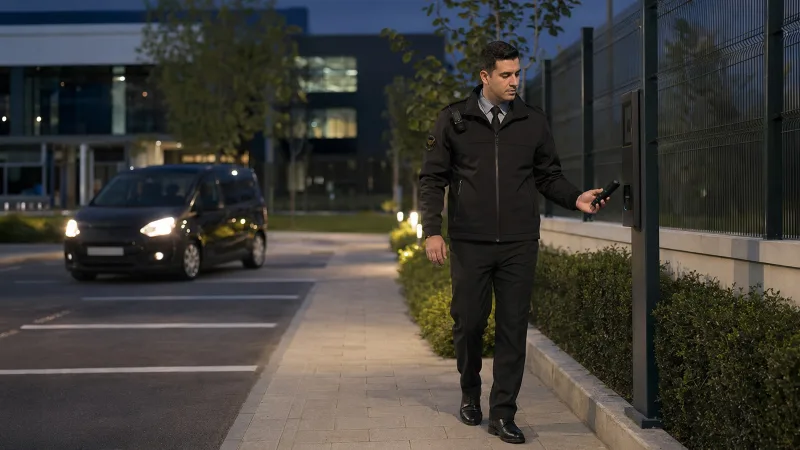
The operating scope of Corporate and Physical Security Services
A request for Corporate and Physical Security Services should begin with the assignment, not a predetermined solution. The review establishes which flow needs protection, what can interrupt normal work and which outcomes the client cannot accept while the coordinated protection of people and assets across offices, residential environments and operational sites. We raise your security standard through qualified personnel, controlled access and continuous field supervision. This explains why the capability is required within Corporate and Physical Security Services; staffing, technology and reporting are selected only after the need is clear.
Corporate and Physical Security Services brings together decisions that range from Armed Private Security Service to Reception, Information and Visitor Management. The correct combination depends on the coordinated protection of people and assets across offices, residential environments and operational sites, rather than a fixed package. This example shows why Corporate and Physical Security Services cannot be defined by a desk-based assessment alone. Decisions made during discovery should later be verifiable through shift records, checkpoint results, response times, audit findings and corrective actions.
Corporate and Physical Security Services are not a single service category
This service field creates one line of responsibility for the coordinated protection of people and assets across offices, residential environments and operational sites. When defined duties, access rules, patrol plans, shift continuity and an incident reporting chain meet in a shared operating plan, gaps, conflicting instructions and delayed notifications become easier to identify. Every specialist scope is written according to its role in that whole.
- Armed Private Security Service: Demand for Armed Private Security Service is sized separately against field volume, authority and timing.
- Unarmed Private Security Service: Its link with other capabilities follows defined duties, access rules, patrol plans, shift continuity and an incident reporting chain, with no unowned handover point.
- Private Security Personnel Provision: The post, decision owner and expected result are defined before mobilisation.
- Fixed Post and Access Control: Service level reflects impact on daily work and the evidence available for assurance.
- Foot and Mobile Patrol Services: The scope grows or narrows according to the genuine exposure within the project.
- Reception, Information and Visitor Management: This capability has its own workflow and evidence standard within the coordinated protection of people and assets across offices, residential environments and operational sites.
Placing several services in one agreement does not by itself create integration. For unauthorised access, procedural breaches, uncovered shifts, delayed response and incomplete records, the plan shows who assesses first, which team takes over and how the case closes. Management uses shift records, checkpoint results, response times, audit findings and corrective actions to confirm that the chain works in practice.
Reading risk for Corporate and Physical Security Services
The main exposure areas for Corporate and Physical Security Services include unauthorised access, procedural breaches, uncovered shifts, delayed response and incomplete records. They do not all have the same likelihood or impact. The review considers consequences for people, assets and continuity during the coordinated protection of people and assets across offices, residential environments and operational sites. It then selects from defined duties, access rules, patrol plans, shift continuity and an incident reporting chain only the measures that reduce the identified risk, rather than adding precautions simply because they are visible. The result is also shown in the Corporate and Physical Security Services assurance record.
The delivery sequence for Corporate and Physical Security Services
The timetable separates discovery, approval, preparation, field launch and first assurance. Named owners are visible at every stage for defined duties, access rules, patrol plans, shift continuity and an incident reporting chain within Corporate and Physical Security Services. Management can distinguish finished work from open action through shift records, checkpoint results, response times, audit findings and corrective actions; verbal changes enter a controlled approval process. The Corporate and Physical Security Services owner confirms completion from the relevant record.
- Discovery: defined duties is observed on site, including the current method and known exceptions.
- Design: ownership and information transfer between access rules and patrol plans are documented.
- Preparation: officers, communications, checklists, access information and authority records required for Corporate and Physical Security Services are confirmed before launch.
- Assurance: delivery is demonstrated to management with relevant records from shift records, checkpoint results, response times, audit findings and corrective actions.
Questions for a Corporate and Physical Security Services provider
Provider experience in Corporate and Physical Security Services should not remain an unsupported statement. Review the instruction, report example and change process intended for defined duties, access rules, patrol plans, shift continuity and an incident reporting chain. Clear agreement on boundaries, client responsibilities, assurance, confidentiality and access to shift records, checkpoint results, response times, audit findings and corrective actions reduces expectation gaps after mobilisation.
What clients ask before choosing Corporate and Physical Security Services
How are Defined duties verified?
There is no universal check for defined duties. The team reviews the coordinated protection of people and assets across offices, residential environments and operational sites, names an owner and agrees acceptance criteria. Results should be visible in shift records, checkpoint results, response times, audit findings and corrective actions; when a dependency on access rules exists, both records should use the same incident or assignment reference. The process stays open until approval enters the Corporate and Physical Security Services assignment record.
Who owns Access rules within Corporate and Physical Security Services?
Evidence for access rules reflects the risk. Within Corporate and Physical Security Services, it may be a checklist, time stamp, photograph, system transaction or manager approval. The goal is not excessive collection; the record shows that the duty was completed and exceptions received the correct decision.
What evidence is needed for Patrol plans?
During an audit, patrol plans is not measured only by activity volume. For Corporate and Physical Security Services, accuracy, timing, exception handling and open actions also matter. If shift records, checkpoint results, response times, audit findings and corrective actions shows repeated deviation, the review looks for a cause in instructions, competence, resources or technical support.
How can we assess your Corporate and Physical Security Services need?
A useful Corporate and Physical Security Services proposal requires basic information about the person, area or asset, daily movement and expected service period. Titanium Security assesses the coordinated protection of people and assets across offices, residential environments and operational sites through its Ankara operating structure. Discovery confirms defined duties, access rules, patrol plans, shift continuity and an incident reporting chain, followed by a duty plan that can be monitored through shift records, checkpoint results, response times, audit findings and corrective actions.